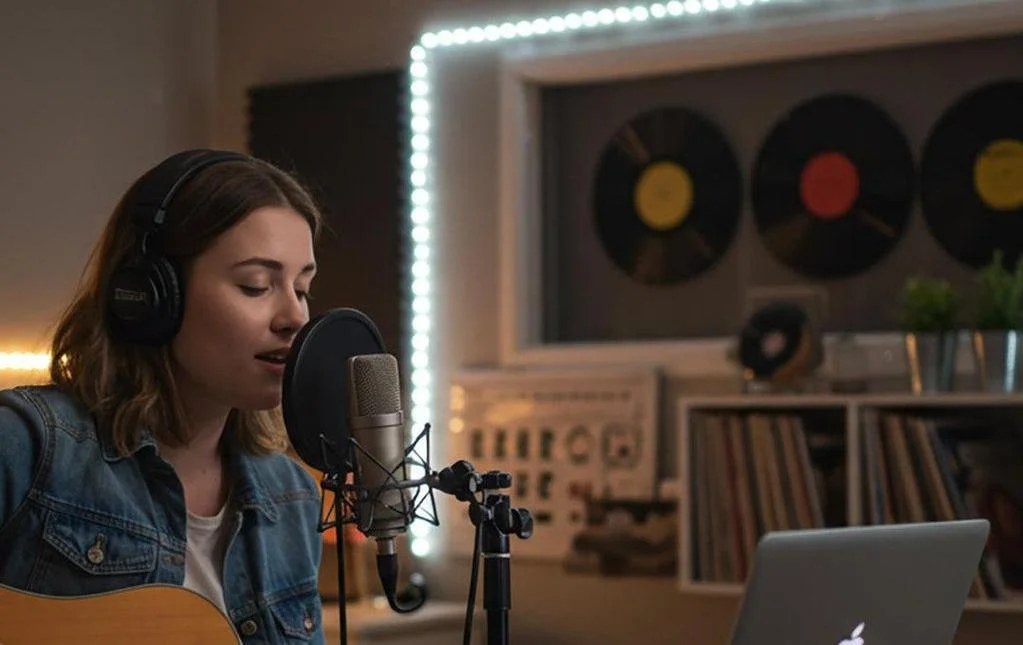
A good demo can be one of the most useful tools in the recording process. It allows an artist to explore an idea, establish a song's direction, and communicate a vision to the musicians and producers who will help bring it to life.
But sometimes, the demo becomes more than a tool. It becomes the very thing we're trying to recreate. The sounds become familiar. The arrangement becomes comfortable. Decisions that were once temporary start to feel permanent. And before we realize it, we've become so invested in what we've already created that we struggle to imagine what else the song could become.
I've experienced this from both sides of the equation: working on a record where the demo had become so established that it was difficult to move beyond it, and working on a song where leaving room for collaboration led to a result nobody had fully anticipated.
Both experiences have shaped how I think about demos, production, and the creative process.
When the Demo Becomes the Record
One of the first records I produced was built almost entirely as a demo before we began the actual recording process. The artist had developed the songs from start to finish, establishing much of the arrangements and production along the way. There were still instruments to add and parts that could benefit from better sounds or performances, but the overall record was already there.
Our approach was to preserve much of the work the artist had done and replace the parts where we felt the production could be improved. But something interesting happened. Sometimes after we overdubbed a part, the artist would end up preferring the original.
I understood the impulse. They'd been listening to those sounds for years. Those parts had become familiar, and that familiarity was now part of how they experienced the song.
I tend to defer to the artist when it comes to their creative decisions, so I respected their choices and moved on. But I did recognize that our attachment to the original demo was, at times, creating extra work and making it harder to move the production forward.
This brings us to the main question: When does a demo stop being a demo and start to become a version of the song we're no longer willing to reconsider?
The Familiarity Factor
There's a reason we become attached to our demos. When we spend hours, days, or even months working on a song, we become intimately familiar with its details. We know how the drums hit, how the bass interacts with the groove, how the guitar sits in the arrangement, and how every element contributes to the whole. Over time, those sounds become part of our understanding of the song.
When someone introduces a different sound or performance, we're not necessarily comparing the two options objectively. We're comparing something unfamiliar with something we've grown accustomed to hearing. The new part might be better suited to the final production, but it also sounds different from what we've been listening to all along. And different doesn't always feel better right away.
Of course, sometimes the original really is the better choice. A rough sound can have character. A simple part can serve the song more effectively than a technically impressive one. And a performance that isn't perfect on paper might capture something that would be difficult to recreate. The goal shouldn't be to replace everything in a demo just because we can.
The challenge is recognizing the difference between keeping something because it genuinely serves the song and keeping it because we're no longer comfortable imagining the song without it.
So, What Makes a Good Demo?
I don't believe there's one right way to make a demo, and demos can have different purposes. In this article, we’re just talking about song demos used in prep for a recording session. Band demos for submitting to venues are a different story, and we can take an entire article to discuss those at some point.
But different artists have different creative processes, and I want them working in whatever way puts them in the most comfortable and inspiring space to do their best work. If that means programming drums or experimenting with soft synths, fine. If building an elaborate production is what gets you excited about the music, I don't want to discourage that. But I do think it's worth considering what the demo is accomplishing and how it's preparing the song for the next stage of the process.
I love to work collaboratively with session musicians who show up to the session with their own ideas. Because of that, I tend to appreciate a demo that simply establishes the song's energy, chord structure, and general arrangement without becoming too committed to every individual detail. — Give me a strong solo performance of the song, so we can hear the melody, the chords, and the feel. Then let's get everyone in the room and see what happens.
The demo gives us a starting point. It doesn't have to give us every answer.
And this approach isn't necessarily right for every artist or every project. Some productions benefit from highly developed demos, and some artists do their best work when they've already explored a song in considerable detail.
What matters is understanding how your preparation affects the creative process that follows. Are you building a foundation for collaboration, or are you unintentionally making it harder for anyone to contribute something new?
Leave Room for the Room
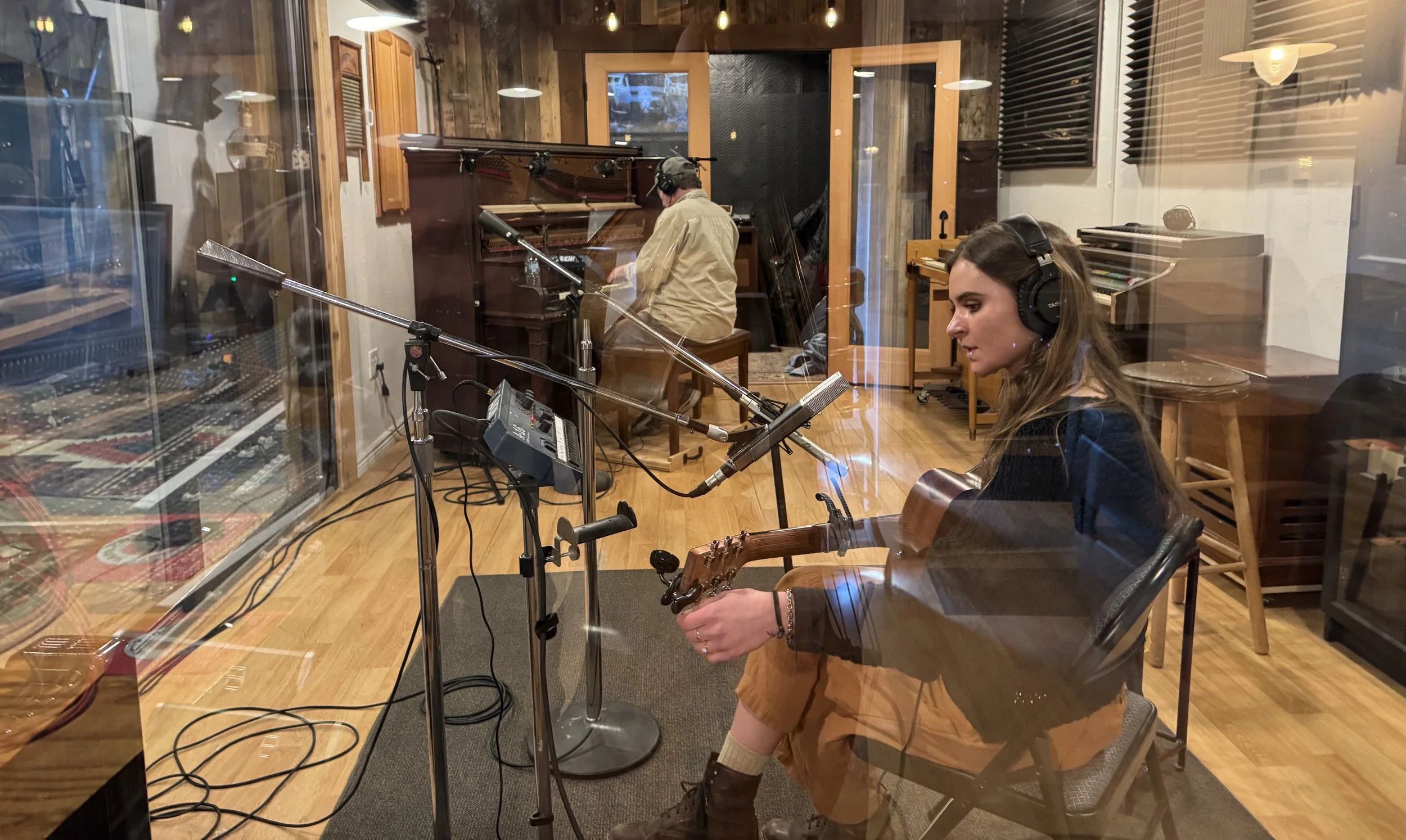
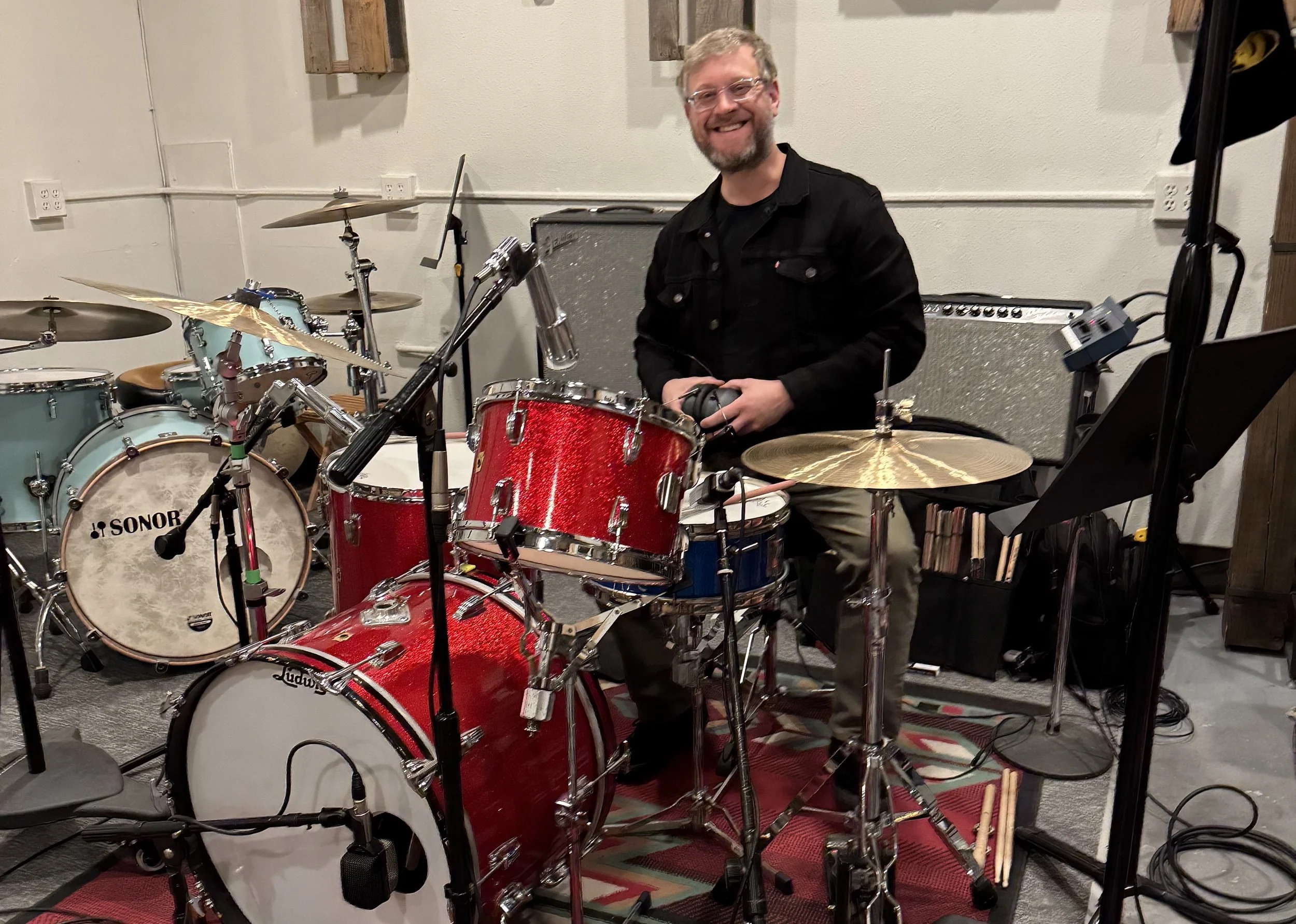
Recently, we worked with a singer-songwriter who sent us a simple demo: just their voice and acoustic guitar. I came into the session thinking I had a pretty good idea of how the groove should feel. But, as I like to do, I gave the drummer room to present some ideas he had before we got too far into recording takes.
We ran the song again, and the drummer approached it differently. When we finished, the artist told us they felt much more comfortable with the new groove.
Just like that, the song had taken a direction different from the one I'd originally imagined. There wasn't a lengthy discussion about whether the groove needed to change. There was no need to convince anyone that one approach was better than another. We simply played the song, tried something different, and listened to what happened. And the artist loved it.
I think that moment illustrates something important about collaboration. The drummer had the confidence to offer an idea and, to their credit, the competence to present it in a compelling performance. The artist trusted the musicians in the room enough to give that idea a chance. And the environment allowed everyone to contribute without needing to defend a predetermined vision. That kind of trust doesn't happen automatically. It's something we try to cultivate by bringing the right musicians together and creating a space where people feel comfortable being creative and sharing their ideas. But when it works, the results can be exciting.
The demo had done its job. It communicated the song clearly enough for us to understand it, but it hadn't dictated every detail of what the song needed to become. There was still room for discovery.
Preparation vs. Predetermination
I don't want artists to interpret this as a reason to spend less time on their demos or to avoid developing their ideas. Preparation is valuable. The more clearly you understand your song, the better equipped you are to communicate your vision and make informed decisions in the studio.
But preparation and predetermination aren't the same thing. Preparation gives you the information and confidence you need to move forward. Predetermination can make it difficult to recognize when a different direction might serve the song better.
Before a session, it might be worth asking yourself a few questions:
What elements of this song are essential to its identity?
Which decisions have I made because they genuinely serve the song, and which have I simply become accustomed to?
Are there parts of the arrangement where another musician might bring something valuable?
Am I attached to a particular sound because it's the best choice, or because it's the sound I've been hearing for months?
What am I genuinely open to discovering when we get into the room together?
You don't need to have an answer for every musical question before you record. And you don't need to abandon your vision to make room for someone else's ideas. You just need to know which parts of that vision you're willing to explore.
The Demo Is a Beginning, Not an Obligation
A good demo helps us understand where a song might go. It gives us a common language, a shared reference point, and a foundation from which to build. Sometimes, that demo will already contain the perfect performance, arrangement, or sound. We'll recognize it, preserve it, and build around it. There's nothing wrong with that. Other times, the best thing we can do is try something different.
The danger isn't that we've spent too much time on a demo. It's that we can become so invested in what we've already made that we forget why we're making a record in the first place.
For me, the most rewarding part of working with talented musicians is seeing what happens when everyone brings their experience, instincts, and creativity to the same song. Sometimes the result is exactly what we expected. Sometimes it's something better. And sometimes it's simply something we never would have discovered on our own.
So make your demos. Experiment with sounds. Develop your ideas. Find what inspires you.
Just remember that the recording session isn't necessarily the final step in realizing the vision you already have.
It might be where you discover a vision you didn't know you had.
And if that sounds like the kind of experience you'd like to have with your own music, we'd love to help make it happen. We work with talented session musicians who bring their own ideas, experience, and creativity into the room, creating an environment where your music can grow in ways you might not have imagined.
Give us a call. We'd love to hear what you're working on and help you bring the right people together to make something great.